Motivated by connection
As a designer, it’s inspiring to meet people where they are. It makes the work meaningful and leads to outcomes that serve users and stakeholders.
My work spans the full product cycle, from product strategy, UX and interface design to the practical realities of building.
The challenges I enjoy most are systems-oriented where complexity needs clarifying and the product experience is tied to business and operational constraints.
Balanced by the wild
The landscape around my home grounds me and influences my screen-based work

My design process
Explore
Look and listen; understand the people, context and constraints
Target
Map priorities and name a clear direction that resonates with users and the team
Visualize
Translate that direction into a rich, testable experience
Iterate
Get feedback, collaborate, test and refine against priorities
How I use AI as a designer and builder
Working with agents is now an integral part of each stage in my design process, from definitions to prototyping and development. It expands my view, helps clarify options and obstacles, and takes care of appropriate tasks.
After using LLMs for several years, I find the most benefit from using an agent in alternating steps that follow my lead, what an important Harvard Business School study calls Directed Knowledge Co-Creation.
This approach leads to a more comprehensive solution and significantly faster implementation while maintaining my direct engagement.
Currently, I’m using agentic design tools in Figma, planning alongside GPT and building in Cursor with GPT as a structure and code checker.
Getting into users’ shoes
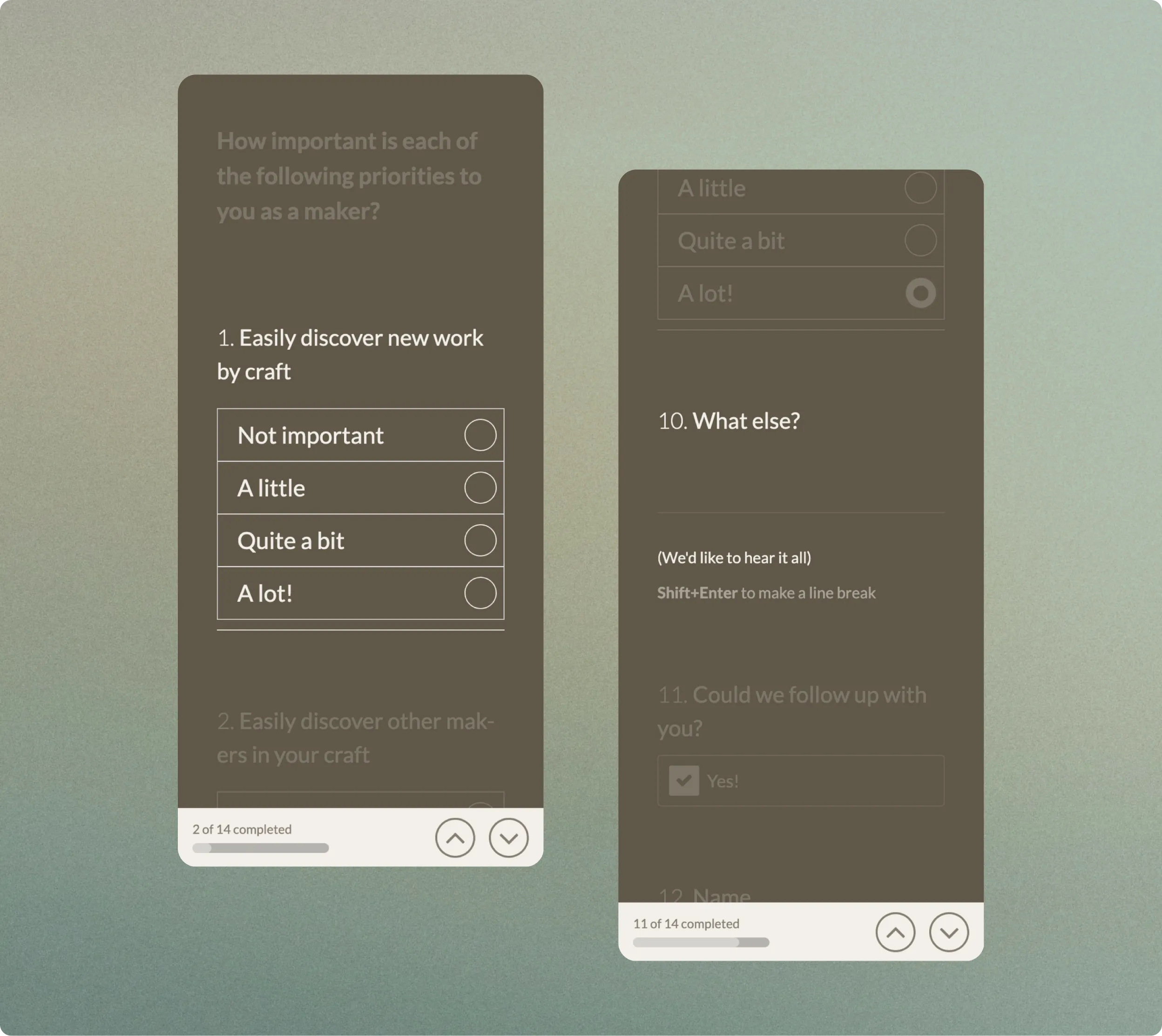
For one startup, I created an onboarding survey that 75% of new users completed, many with valuable written feedback.
Background
My path has moved from architecture school and web design through identity design, product UX/UI, front-end development and founding products of my own.
I have worked in-house, collaborated as a co-founder on several startup teams and served a range of clients as a solo designer.
Practically, that breadth gives me confidence across the full range of a project’s scope: from business goals and system guidelines to user interviews and technical constraints.
Offscreen
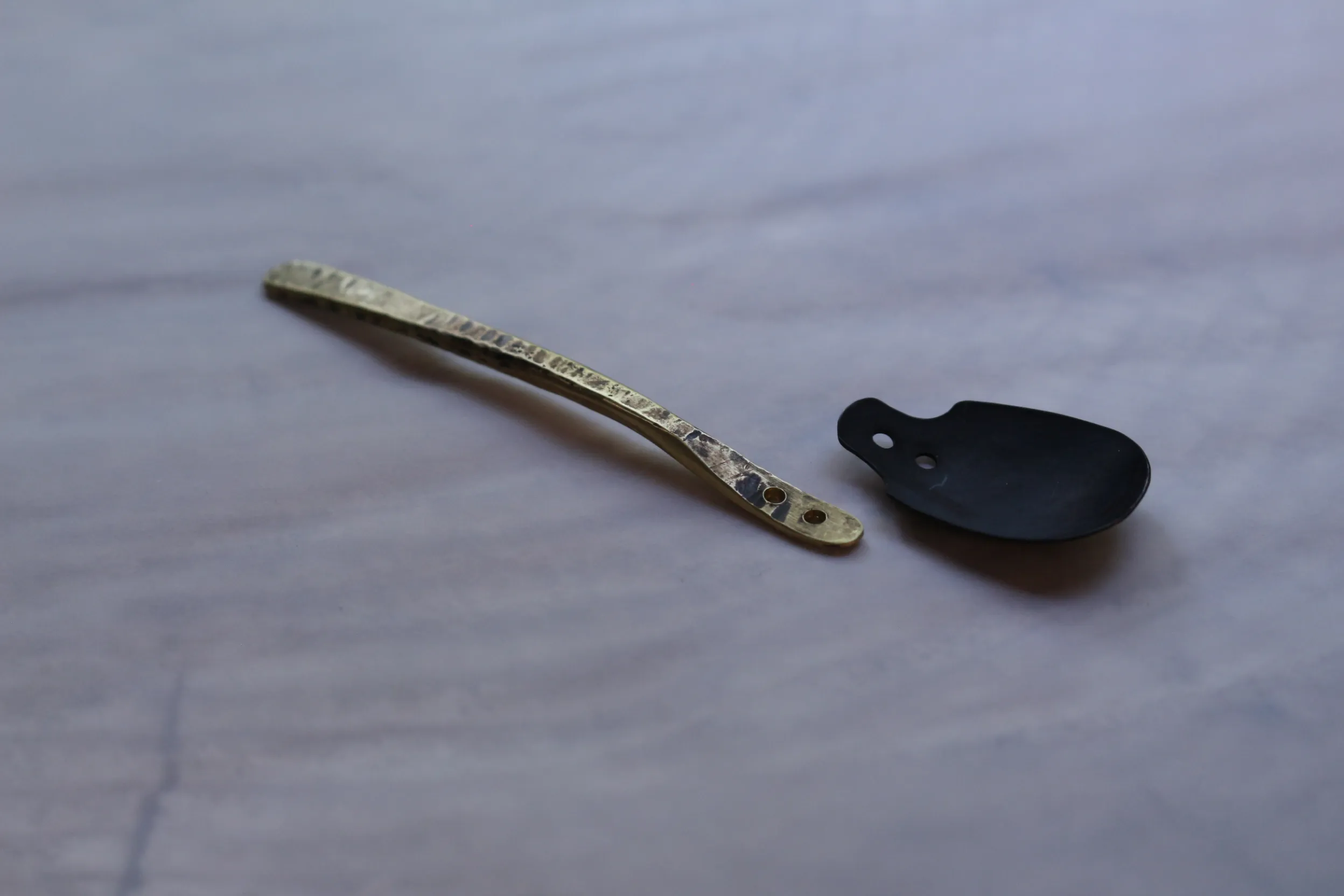
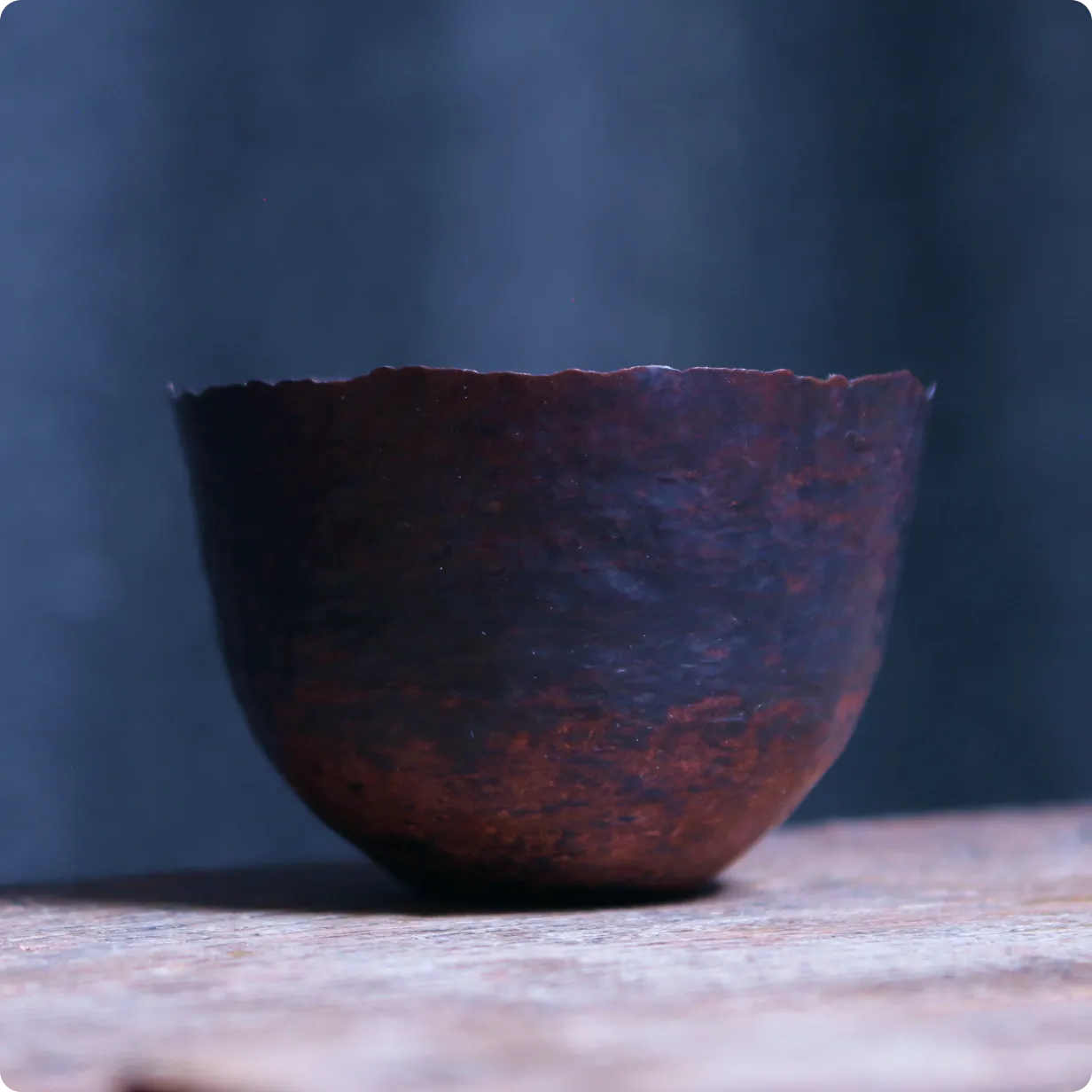
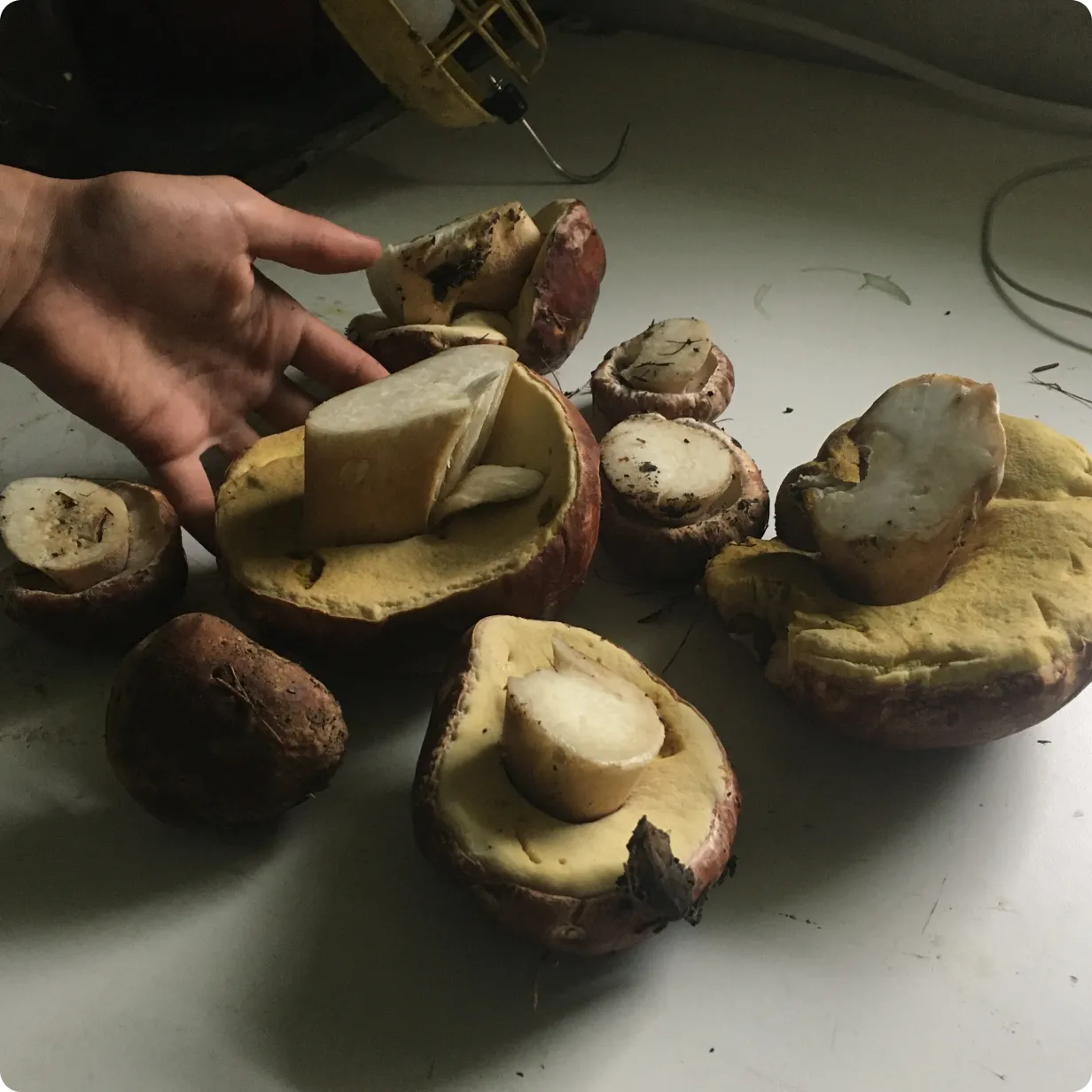
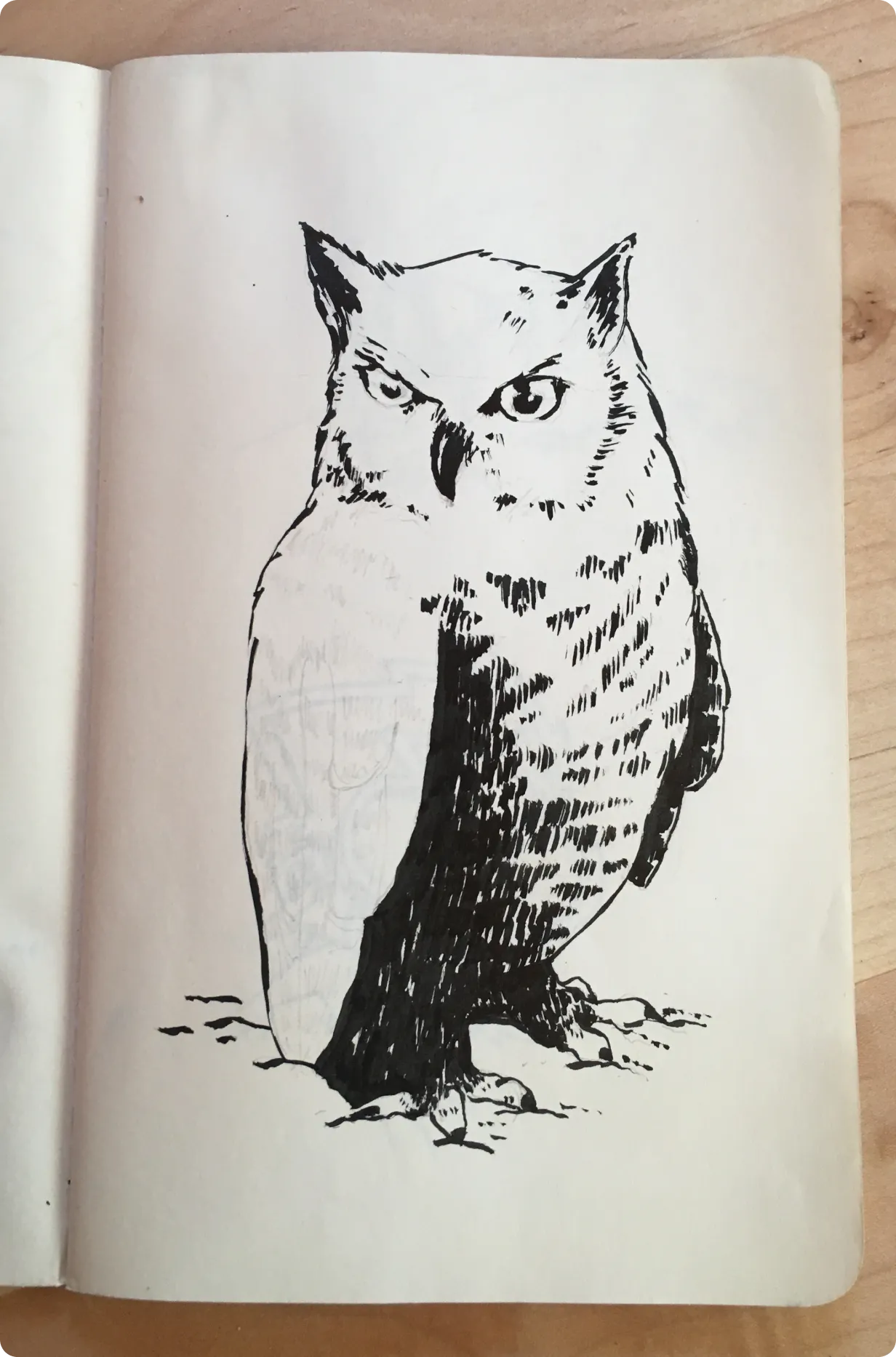
Metalworking, mountain biking, hiking, sketching and foraging

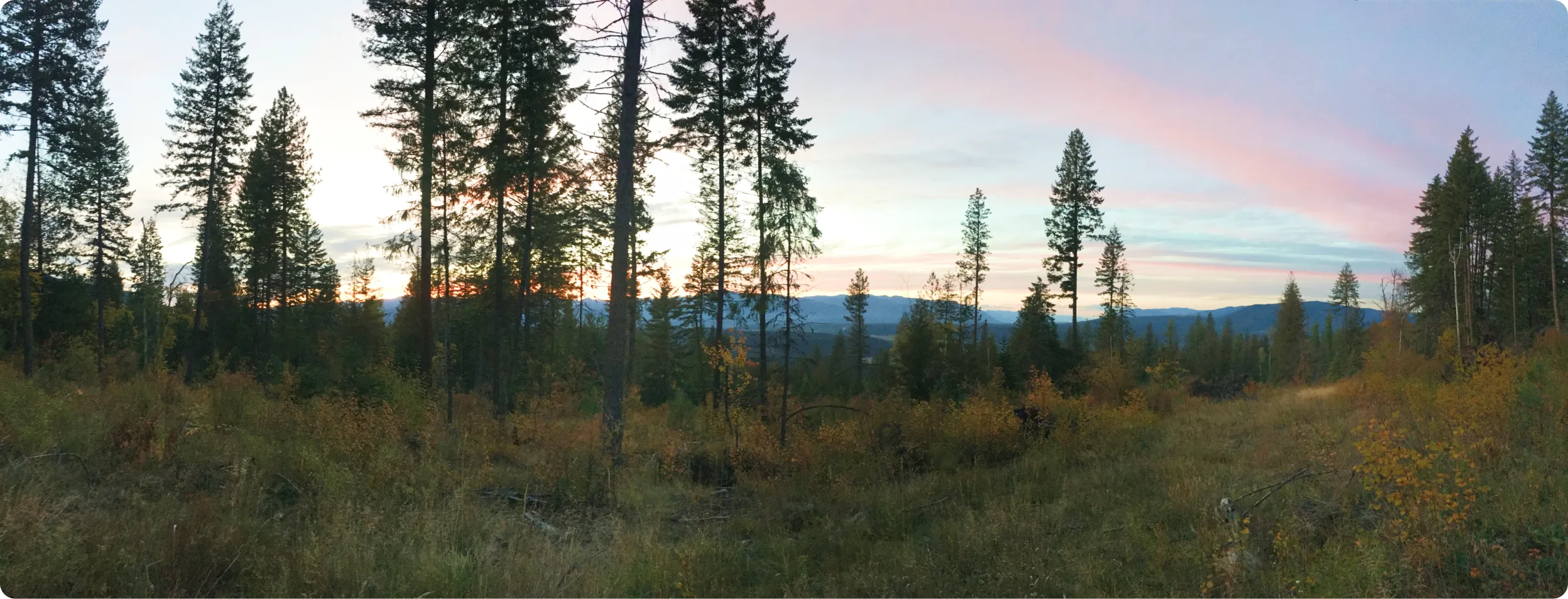
The view from my favorite MTB trail
Reach out
Ephrem on LinkedinMotivated by connection
As a designer, it’s inspiring to meet people where they are. It makes the work meaningful and leads to outcomes that serve users and stakeholders.
My work spans the full product cycle, from product strategy, UX and interface design to the practical realities of building.
The challenges I enjoy most are systems-oriented where complexity needs clarifying and the product experience is tied to business and operational constraints.
Balanced by the wild
The landscape around my home grounds me and influences my screen-based work.
My design process
Explore
Look and listen; understand the people, context and constraints
Target
Map priorities and name a clear direction that resonates with users and the team
Visualize
Translate that direction into a rich, testable experience
Iterate
Get feedback, collaborate, test and refine against priorities
How I use AI as a designer and builder
Working with agents is now an integral part of each stage in my design process, from definitions to prototyping and development. It expands my view, helps clarify options and obstacles, and takes care of appropriate tasks.
After using LLMs for several years, I find the most benefit from using an agent in alternating steps that follow my lead, what an important Harvard Business School study calls Directed Knowledge Co-Creation.
This approach leads to a more comprehensive solution and significantly faster implementation while maintaining my direct engagement.
Currently, I’m using agentic design tools in Figma, planning alongside GPT and building in Cursor with GPT as a structure and code checker.
Getting into users’ shoes
For one startup, I created an onboarding survey that 75% of new users completed, many with valuable written feedback.
Background
My path has moved from architecture school and web design through identity design, product UX/UI, front-end development and founding products of my own.
I have worked in-house, collaborated as a co-founder on several startup teams and served a range of clients as a solo designer.
Practically, that breadth gives me confidence across the full range of a project’s scope: from business goals and system guidelines to user interviews and technical constraints.
Offscreen
Metalworking, mountain biking, hiking, sketching and foraging
The view from my favorite MTB trail
Reach out
Ephrem on LinkedinMotivated by connection
As a designer, it’s inspiring to meet people where they are. It makes the work meaningful and leads to outcomes that serve users and stakeholders.
My work spans the full product cycle, from product strategy, UX and interface design to the practical realities of building.
The challenges I enjoy most are systems-oriented where complexity needs clarifying and the product experience is tied to business and operational constraints.
Balanced by the wild
The landscape around my home grounds me and influences my screen-based work.
My design process
Explore
Look and listen; understand the people, context and constraints
Target
Map priorities and name a clear direction that resonates with users and the team
Visualize
Translate that direction into a rich, testable experience
Iterate
Get feedback, collaborate, test and refine against priorities
How I use AI as a designer and builder
Working with agents is now an integral part of each stage in my design process, from definitions to prototyping and development. It expands my view, helps clarify options and obstacles, and takes care of appropriate tasks.
After using LLMs for several years, I find the most benefit from using an agent in alternating steps that follow my lead, what an important Harvard Business School study calls Directed Knowledge Co-Creation.
This approach leads to a more comprehensive solution and significantly faster implementation while maintaining my direct engagement.
Currently, I’m using agentic design tools in Figma, planning alongside GPT and building in Cursor with GPT as a structure and code checker.
Getting into users’ shoes
For one startup, I created an onboarding survey that 75% of new users completed, many with valuable written feedback.
Background
My path has moved from architecture school and web design through identity design, product UX/UI, front-end development and founding products of my own.
I have worked in-house, collaborated as a co-founder on several startup teams and served a range of clients as a solo designer.
Practically, that breadth gives me confidence across the full range of a project’s scope: from business goals and system guidelines to user interviews and technical constraints.
Offscreen
Metalworking, mountain biking, hiking, sketching and foraging
The view from my favorite MTB trail
Reach out
Ephrem on LinkedinMotivated by connection
As a designer, it’s inspiring to meet people where they are. It makes the work meaningful and leads to outcomes that serve users and stakeholders.
My work spans the full product cycle, from product strategy, UX and interface design to the practical realities of building.
The challenges I enjoy most are systems-oriented where complexity needs clarifying and the product experience is tied to business and operational constraints.
Balanced by the wild
The landscape around my home grounds me and influences my screen-based work.
My design process
Explore
Look and listen; understand the people, context and constraints
Target
Map priorities and name a clear direction that resonates with users and the team
Visualize
Translate that direction into a rich, testable experience
Iterate
Get feedback, collaborate, test and refine against priorities
How I use AI as a designer and builder
Working with agents is now an integral part of each stage in my design process, from definitions to prototyping and development. It expands my view, helps clarify options and obstacles, and takes care of appropriate tasks.
After using LLMs for several years, I find the most benefit from using an agent in alternating steps that follow my lead, what an important Harvard Business School study calls Directed Knowledge Co-Creation.
This approach leads to a more comprehensive solution and significantly faster implementation while maintaining my direct engagement.
Currently, I’m using agentic design tools in Figma, planning alongside GPT and building in Cursor with GPT as a structure and code checker.
Getting into users’ shoes
For one startup, I created an onboarding survey that 75% of new users completed, many with valuable written feedback.
Background
My path has moved from architecture school and web design through identity design, product UX/UI, front-end development and founding products of my own.
I have worked in-house, collaborated as a co-founder on several startup teams and served a range of clients as a solo designer.
Practically, that breadth gives me confidence across the full range of a project’s scope: from business goals and system guidelines to user interviews and technical constraints.
Offscreen
Metalworking, mountain biking, hiking, sketching and foraging
The view from my favorite MTB trail
Reach out
Ephrem on Linkedin